
Quick answer: Sublimation prints designs into polyester fabric for unlimited colors and light weight; tackle twill sews cut fabric letters and numbers onto the jersey for a classic, raised look; embroidery stitches logos with thread for a premium finish. Hockey and baseball often use twill or a mix, while basketball, lacrosse and soccer mostly use sublimation.
Every custom jersey order comes down to one early decision: how will the logo, numbers and names be applied? The three main options, sublimation, tackle twill and embroidery, differ in look, feel, weight, durability and how much complexity they add to production. This guide compares them and shows which method teams usually pick in each sport. For a hockey-specific deep dive, see our earlier article on sublimation vs tackle twill for custom ice hockey jerseys.
The Three Methods at a Glance
| Sublimation | Tackle twill | Embroidery | |
|---|---|---|---|
| How it works | Dye bonds into polyester fibers with heat | Cut fabric letters and numbers stitched onto the jersey | Thread stitched directly into the fabric |
| Look | Flat, full color, unlimited detail | Raised, layered, classic | Raised, textured, premium |
| Weight | No added weight | Adds weight and some stiffness | Light for small logos, heavier for large areas |
| Colors | Unlimited, including gradients | Limited to fabric layers | Limited to thread colors |
| Fabric | Polyester only | Most jersey fabrics | Most fabrics |
| Best for | Full designs, names and numbers, fast-moving sports | Traditional numbers and lettering | Crests, chest logos, sleeve details |
Sublimation
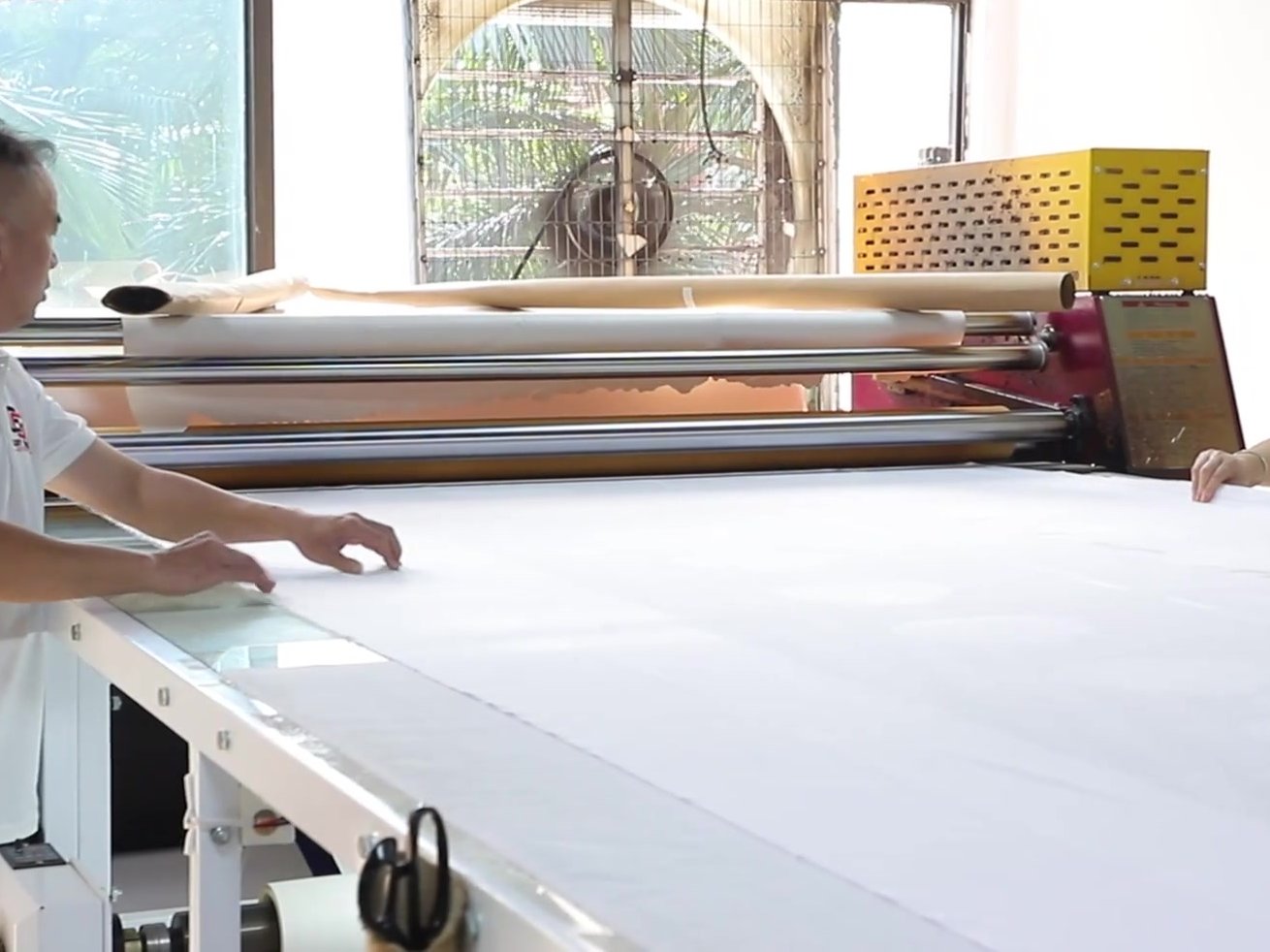
With sublimation, the design is printed onto transfer paper and heat-pressed so the ink becomes part of the fabric. Nothing sits on the surface, so it cannot crack or peel, and colors and patterns are unlimited. Names and numbers are printed as part of each garment, which makes personalization straightforward.
Tackle Twill
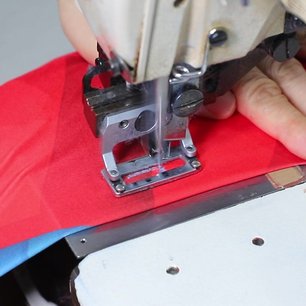
Tackle twill uses layers of cut polyester twill fabric, stitched onto the jersey around the edges with a zigzag stitch. It creates the raised, layered numbers seen on classic hockey, baseball and football jerseys. It feels heavier and more substantial, which many teams love for a traditional look. The trade-off is added weight, fewer colors and more sewing steps.
Embroidery
Embroidery stitches logos directly with thread. It is ideal for crests, chest logos, sleeve patches and small text. It gives a premium, textured finish and works on most fabrics, including cotton-rich hoodies and polos. Large embroidered areas become stiff and heavy, so it is rarely used for full numbers on fast sports.
Combining Methods
Many of the best jerseys use more than one method: a sublimated body and stripes, a tackle twill crest and numbers, or an embroidered logo on a sublimated polo. Mixing methods lets you balance the modern freedom of sublimation with the classic feel of stitched details.
Which Method Fits Your Sport?
Hockey
Both are common. Sublimation keeps game jerseys light; tackle twill and embroidered crests give a traditional pro look. Many teams combine a sublimated body with a twill crest. Browse our custom hockey jerseys.
Baseball
Button-down baseball jerseys often use tackle twill or embroidered script lettering for a classic look, while sublimation suits bold patterns and youth leagues. See our custom baseball jerseys and guide to choosing custom baseball uniforms.
Basketball
Sublimation dominates because jerseys are light and players sweat heavily. See our sublimated basketball uniforms.
Lacrosse and soccer
Mostly sublimated for fast movement and full designs; embroidered crests are sometimes added to soccer match shirts. Browse lacrosse uniforms and soccer jerseys.
Football
Tackle football often uses tackle twill numbers; 7v7 jerseys are usually sublimated. Read our guide to custom American football jerseys.
What Drives Complexity
Without discussing prices, the factors that add production steps are predictable: more twill layers, more embroidery stitches, larger decorated areas and more individual names and numbers that need sewing. Sublimation adds the least complexity per extra color or name.
Working with Glory Ground
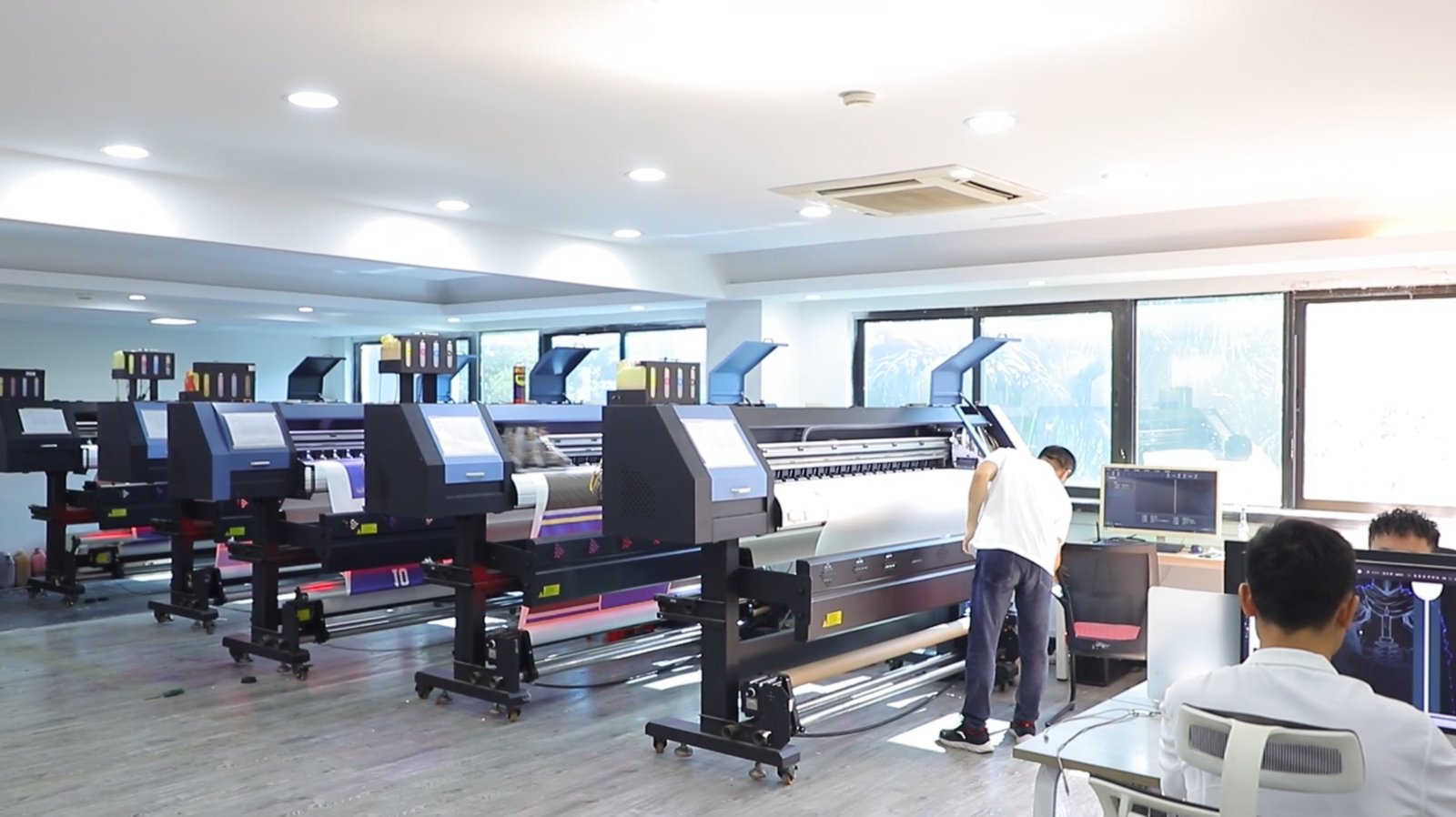
Our Shenzhen factory has more than 10 years of experience with all three methods. Our MOQ is 10 pcs per design, samples take about 5 days and bulk production around 2 weeks after approval, with a capacity of 50,000 pieces per month. Our fabric is OEKO-TEX certified (23.HCN.91580). Read how our production process works.
How to Choose for Your Team
Start with three questions. First, how traditional should the jersey look? Classic programs often prefer twill numbers and embroidered crests. Second, how hard is the sport on the jersey and how hot is the environment? Fast, sweaty sports favor light sublimation. Third, how many colors and personalized elements does your design need? Complex artwork and many individual names point toward sublimation. Order a sample of the combination you are considering; seeing and feeling the decoration answers most questions immediately.
Durability in Real Use
Sublimated prints cannot peel, but the fabric itself can snag, so choose a durable knit for contact sports. Twill letters can lift at the edges if stitching is weak, so check seam density on the sample. Embroidery can pucker on very light fabrics without proper backing. Asking how each is handled tells you a lot about a manufacturer.
Frequently Asked Questions
What is the difference between sublimation and tackle twill?
Sublimation prints the design into polyester fabric with no added weight; tackle twill stitches cut fabric letters and numbers onto the jersey for a raised, classic look.
Which decoration lasts longest?
All three are durable when done correctly. Sublimation cannot crack or peel; twill and embroidery last as long as the stitching.
Can I combine sublimation with tackle twill or embroidery?
Yes. A sublimated body with twill numbers or an embroidered crest is a very popular combination.
Which method is best for basketball and lacrosse?
Sublimation, because it is light, breathable and handles full designs and individual numbers easily.
Related Guides
- Dye Sublimation Explained: How Custom Team Jerseys Are Printed (Step by Step)
- Custom Golf Polos & Hoodies for Clubs and Corporate Teams: Sublimation vs Embroidery
- Custom Basketball Uniforms for Clubs & Dealers: Fabric, Fit & Reversible Options
Ready to Start Your Order?
Not sure which decoration suits your design? Send us an inquiry with your sport, quantity per design and artwork or reference images, and our Shenzhen team will reply with a design proposal and sampling schedule.
